
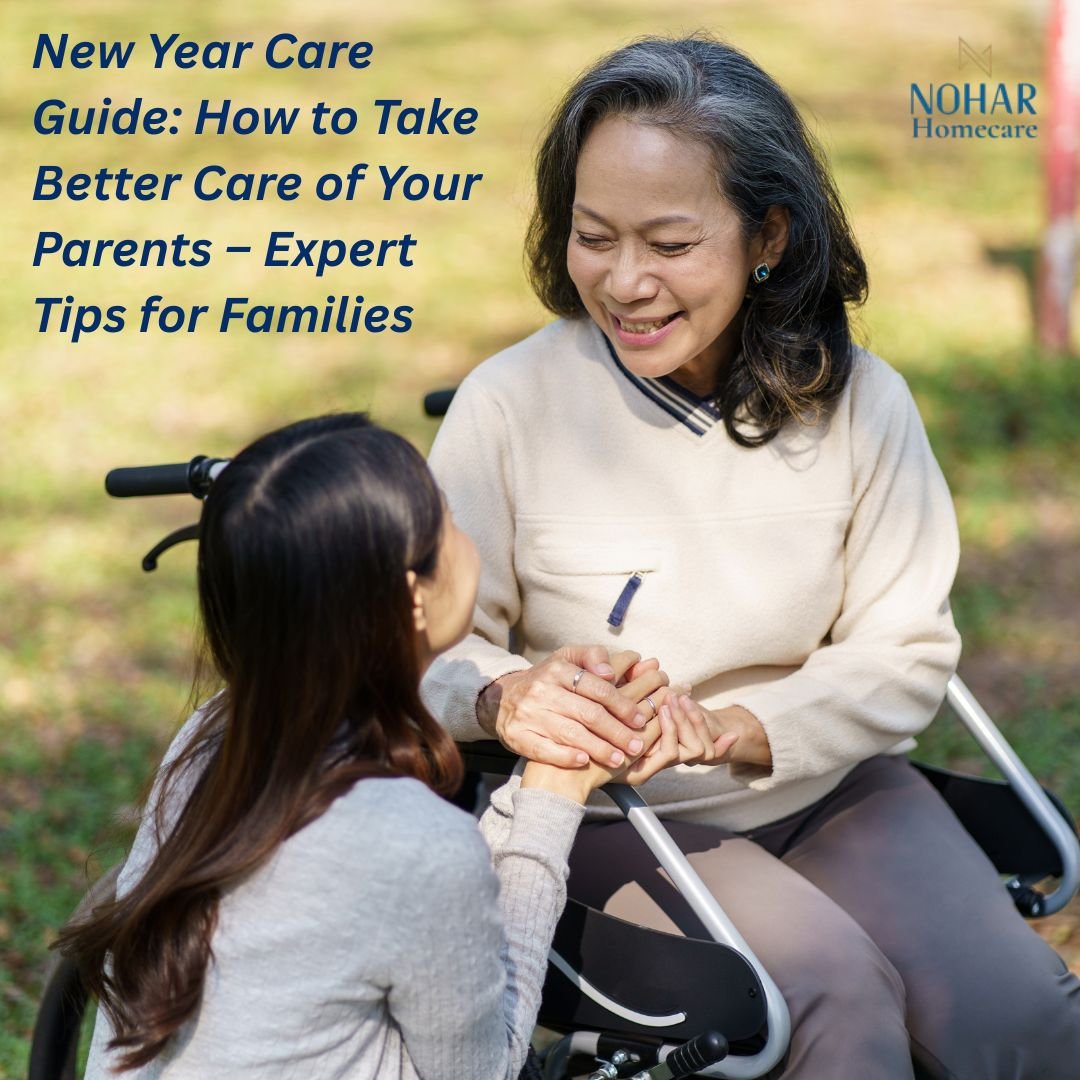
New Year Care Guide: How to Take Better Care of Your Parents – Expert Tips for Familie
The New Year is not just about resolutions, celebrations, or personal goals. It is also the perfect time to pause and reflect on the most important people in our lives — our parents. As parents grow older, their physical, emotional, and medical needs increase, and they often require more attention, patience, and structured care.
Taking care of parents is not only a responsibility but a lifelong emotional bond. This expert guide explains how families can take better care of their parents in the New Year, focusing on health, safety, emotional wellbeing, and professional support — all based on real-world caregiving experience.
Why the New Year Is the Right Time to Focus on Parent Care
The New Year marks a fresh beginning. For elderly parents, it is an opportunity to:
Improve health routines
Prevent age-related complications
Address ignored medical issues
Strengthen emotional bonds with family
Many families delay caregiving planning until a medical emergency occurs. Experts strongly recommend proactive care planning, especially at the start of a new year.
Understanding the Changing Needs of Aging Parents
As parents age, their needs evolve gradually. Understanding these changes is the first step toward quality care.
Physical Needs
Reduced mobility
Joint pain or arthritis
Weak immunity
Chronic conditions like diabetes or BP
Emotional Needs
Loneliness
Anxiety about health
Fear of dependency
Need for respect and dignity
Medical Needs
Regular monitoring
Medication management
Post-hospital recovery support
Professional nursing assistance
Recognizing these needs early helps families provide better support.
Expert Tip 1: Prioritise Regular Health Check-ups
One of the most important New Year resolutions for families should be routine health monitoring for parents.
Experts recommend:
Regular BP and sugar monitoring
Annual health screenings
Timely doctor consultations
Medication reviews
Preventive healthcare reduces hospitalisation risks and improves long-term wellbeing.
Expert Tip 2: Create a Safe & Elder-Friendly Home Environment
Home safety plays a crucial role in elderly care.
Simple safety improvements include:
Anti-slip mats in bathrooms
Proper lighting in rooms and corridors
Easy-to-reach daily essentials
Support rails near beds and washrooms
These small changes significantly reduce fall risks and injuries.
Expert Tip 3: Ensure Emotional Support & Daily Interaction
Many elderly parents suffer silently from emotional isolation, especially in nuclear families.
Experts advise families to:
Spend quality time daily
Encourage open conversations
Involve parents in decisions
Respect their independence
Emotional security directly impacts physical health and recovery.
Expert Tip 4: Maintain Proper Nutrition & Hydration
With age, appetite and digestion often decline. However, nutrition remains critical.
Best practices include:
Balanced, age-appropriate diets
Adequate protein intake
Hydration reminders
Monitoring food restrictions
Consulting healthcare professionals for diet planning is highly recommended.
Expert Tip 5: Encourage Physical Activity & Mobility
Movement is essential at every age.
Safe activities include:
Short daily walks
Light stretching
Breathing exercises
Doctor-approved physiotherapy
Regular activity helps maintain muscle strength, circulation, and mental alertness.
Expert Tip 6: Manage Medications Carefully
Medication mismanagement is one of the biggest risks for elderly patients.
Experts recommend:
Fixed medication schedules
Avoiding self-medication
Regular prescription reviews
Professional nursing support if needed
This ensures medication safety and effectiveness.
Expert Tip 7: Plan Professional Home Care Support When Needed
Modern families often balance work, children, and caregiving responsibilities. When professional help is needed, home care nursing services become essential.
Professional caregivers help with:
Daily patient care
Medical monitoring
Hygiene assistance
Mobility support
Emotional companionship
Professional home care allows parents to stay in a familiar environment while receiving expert attention.
Expert Tip 8: Respect Independence & Dignity
One of the most overlooked aspects of parent care is respecting dignity.
Parents should be:
Involved in decisions
Given independence wherever possible
Treated with patience and respect
Dignity-based care builds trust and emotional comfort.
Expert Tip 9: Monitor Mental Health & Cognitive Changes
Age-related mental health issues like memory loss or anxiety require attention.
Warning signs include:
Sudden mood changes
Forgetfulness
Sleep disturbances
Withdrawal from social interaction
Early consultation can prevent serious complications.
Expert Tip 10: Create a Long-Term Care Plan
Experts strongly advise families to:
Discuss future care needs
Plan emergency support
Identify professional caregivers
Review care plans annually
A structured care plan reduces stress and ensures continuity of care.
Why Expert-Guided Care Makes a Difference
Expert-led caregiving focuses on:
Preventive care
Safety
Emotional wellbeing
Medical accountability
Families who seek professional guidance often experience better health outcomes and peace of mind.
Frequently Asked Questions (FAQ)
Conclusion
The New Year is the perfect reminder that our parents deserve consistent care, attention, and respect. By focusing on preventive healthcare, emotional wellbeing, safe living environments, and expert support, families can ensure their parents live with dignity, comfort, and happiness.
Caring for parents is not just about responsibility — it is about gratitude, love, and thoughtful planning.